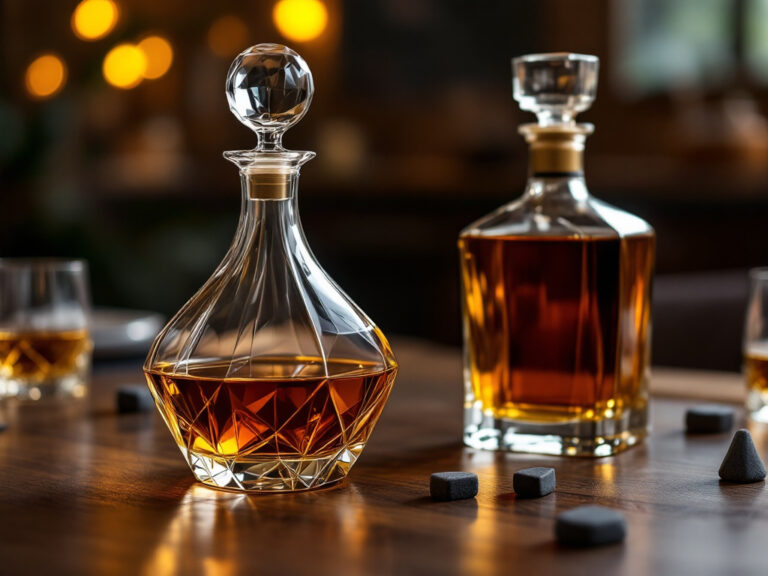
Bottling up your favorite spirit in a sleek decanter can instantly elevate your home bar’s style. But will liquor go bad in a decanter? If you’ve ever worried about flavor changes, cork problems, or oxidation issues, you’re in the right place. Let’s explore what actually happens when you transfer and store whiskey or other liquor in a decanter.
Understand what happens in a decanter
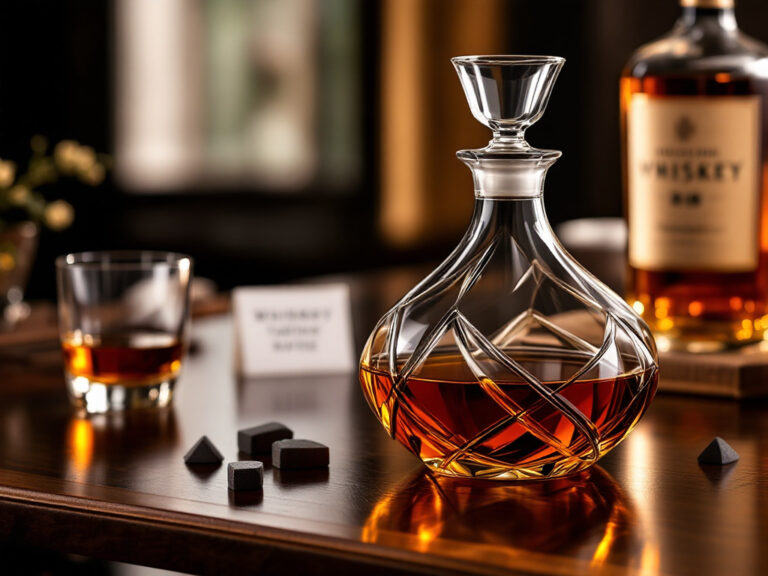
Moving your liquor from its original bottle to a decanter is mostly about appearance and presentation. Whiskey in particular doesn’t continue to age once it’s bottled, so it will remain at the same maturity level. However, it can still experience chemical changes when exposed to certain conditions.
- If the decanter’s stopper isn’t airtight, oxygen can slowly seep in and interact with the alcohol.
- Over time, oxidation can change whiskey’s flavor, aroma, and even color.
As long as your decanter creates a good seal, your whiskey should keep its original taste for a reasonable period. If it’s meant for regular enjoyment, pouring into a decorative vessel can be a practical and stylish choice.
Recognize the role of oxidation
Oxidation occurs when oxygen meets alcohol and triggers several chemical reactions. While oxidation is a natural process, too much air exposure accelerates flavor loss.
- Keep your decanter nearly full. Reducing the empty space above the whiskey helps limit oxygen contact.
- Steady temperatures between 59 and 68 degrees Fahrenheit also help slow down oxidation.
- Avoid direct sunlight, because UV light can degrade and discolor whiskey.
Remember, high-proof spirits like whiskey don’t spoil in the same way milk or juice would. Instead, they gradually lose their crispness and nuanced flavors the more they interact with oxygen and light.
Store your whiskey correctly
Even with a beautiful decanter on display, you’ll want to maintain good storage habits. Proper storage prevents deterioration, helps preserve the complexity of your favorite spirit, and ensures a longer shelf life.
Keep it upright
- Storing the bottle or decanter upright minimizes contact between the cork and the whiskey. A soaked cork can break down and affect flavor.
Flip for cork care
- If your decanter has a cork stopper, flip it briefly once a month to keep the cork moist but not permanently submerged. This trick prevents cracks and oxidation.
Shield from sunlight
- Direct light exposure can trigger chemical reactions that alter taste and hue. Place your decanter in a shaded spot or a closed cabinet.
Monitor the seal
- Check that your decanter’s stopper is airtight. If you notice the stopper isn’t snug, air can seep in and speed up flavor changes.
Choose the right decanter
Selecting the proper decanter goes beyond appearances. Materials and design can make a real difference in how well your whiskey holds up.
- Opt for lead-free crystal or glass. Traditional lead crystal can slowly leach lead into the liquor if stored for extended periods.
- Look for an airtight stopper. A strong seal helps preserve flavor by limiting oxygen exposure.
If you plan to finish your whiskey in a few months, a standard crystal or glass decanter with a secure closure is perfectly fine. For long-term storage or if you rarely sip your whiskey, you may prefer to keep it in the original bottle to minimize air exposure and flavor loss.
Storing liquor in a decanter is a classy way to serve and display your whiskey, but small details matter when it comes to preserving flavor. Keep your decanter tightly sealed, stay mindful of temperature and light, and choose a lead-free option if you plan on long-term display. When you’re ready to host, pour just the amount you expect your guests (and you) will enjoy in a couple of months. In doing so, you’ll keep your whiskey tasting as delightful as the day you bought it.