Why are they called rocks glasses? You’ve likely asked yourself this question if you’ve ever sipped a neat whiskey or a classic Old Fashioned. Rocks glasses are some of the most popular barware around, beloved for their sturdy build and timeless appeal. Below, you’ll discover how they earned their name, where they originated, and why adding a few to your collection can make your at-home cocktail experience even better.
Explore the origin of rocks glasses
Rocks glasses trace their story back to the Scottish quaich of the 17th and 18th centuries. Quaichs were shallow, two-handled cups typically made of wood, silver, or leather, used for sharing drinks at gatherings. Over time, this design evolved into a simpler glass tumbler in the 19th century that was more affordable and easier to produce. Makers also incorporated a thick base so the glass would stand upright if tipped, which is why you’ll see today’s rocks glasses often described as short, sturdy tumblers.
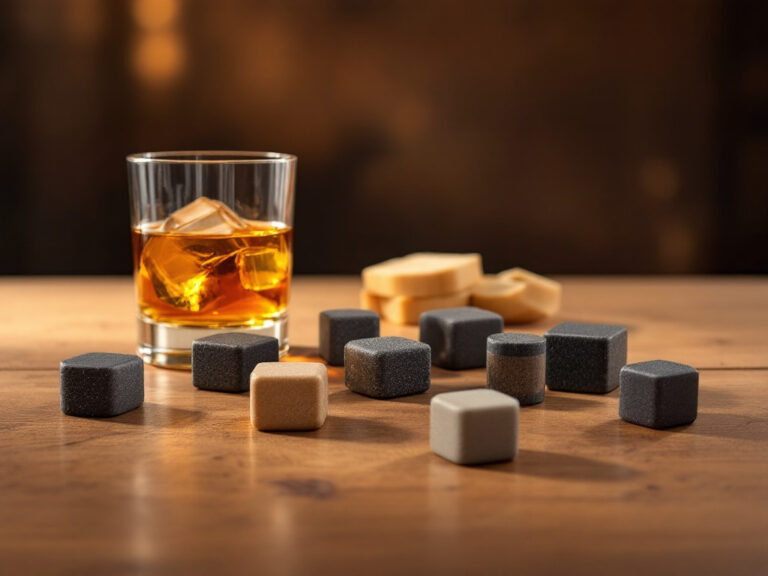
The term “rocks” comes from serving spirits “on the rocks”—in other words, over ice. Before modern freezers, some people cooled their drinks with chilled stones, and the nickname stuck. Whether you opt for a single large cube or a handful of ice, the purpose remains the same: combine your chosen spirit with just enough chill to emphasize its flavor and aroma.
Recognize their defining features
A rocks glass typically holds around 6 to 8 ounces and has a thick, heavy base. This design helps with two things. First, it allows you to comfortably muddle fruits or herbs for cocktails that require a bit of mixing before the main pour. Second, it balances the drink and prevents quick tipping over—perfect for pouring a neat spirit or an ice-filled cocktail without worrying about spills.
Because of their wide rims, rocks glasses make it easy to appreciate the aroma of liquor or a cocktail’s aromatic garnish. This feature is especially important for whiskey and other spirit-forward libations, where the nose of the drink is as much a part of the experience as the taste.
Distinguish them from old fashioned glasses
You might hear “old fashioned glass” and “rocks glass” used interchangeably. In fact, they share similarities, such as a short profile and thick base. Old fashioned glasses traditionally hold between 6 and 10 ounces, while a double Old Fashioned (sometimes called a double rocks glass) can handle 12 to 16 ounces, giving you extra room for mixers or large-format ice cubes.
Though the terms often overlap, some people think of an “old fashioned” as a smaller version and a “rocks glass” as the bigger option. The key takeaway is that both are great for showcasing whiskey, cocktails with muddled ingredients, or simply letting an ice cube slowly melt into a spirit.
Discover how you can use them
You can use rocks glasses beyond just whiskey neat. From classic cocktails like a Negroni or a Margarita on the rocks to modern concoctions that incorporate fruit juices or syrups, these glasses allow you to adjust the ice and mixer ratios to your preference. Thanks to their versatility, many people also use them for everyday beverages like juice or water.
Here are a few beverages that benefit from a rocks glass:
- Spirit-forward drinks like Old Fashioneds, Sazeracs, or Manhattans
- Cocktails with larger ice cubes that need space to swirl
- Drinks that require muddling ingredients, such as herbs or citrus slices
Review key takeaways
- Rocks glasses get their name because spirits are often served “on the rocks,” meaning over ice
- They evolved from the Scottish quaich, becoming a short, durable tumbler with a thick base
- Old fashioned glasses and rocks glasses are similar, with the latter sometimes offering a larger capacity
- Their wide brim and sturdy build make them ideal for spirit-forward cocktails or neat pours
- You can use them daily for any drink you want to savor in a compact, comfortable glass
Whether you’re mixing up your favorite whiskey cocktail or simply enjoying a neat pour, rocks glasses add a sense of tradition and style to the experience. Now that you know their history and purpose, you’ll appreciate every swirl, sip, and clink that much more. Cheers!