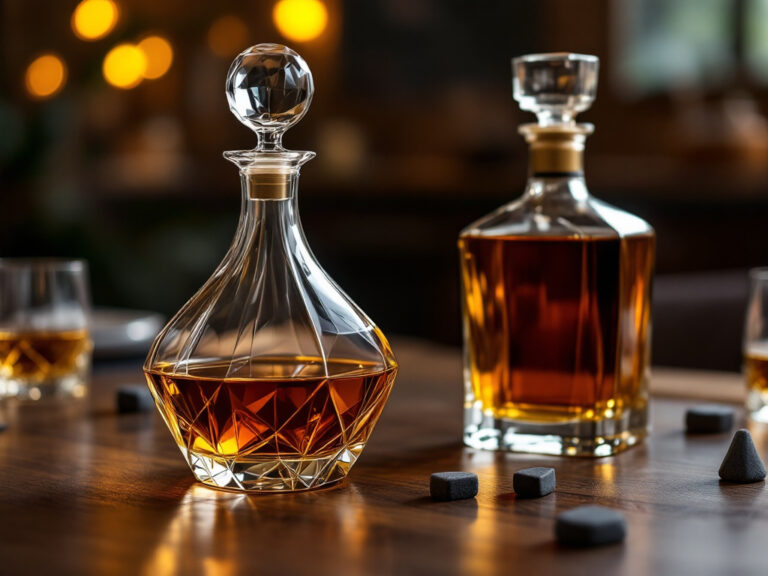
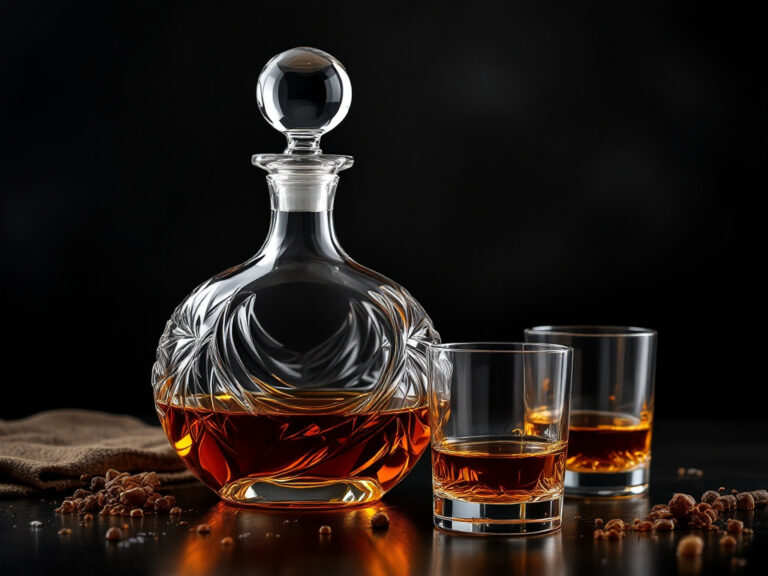
Recognize how decanters work
What whiskey should go in a decanter? This question often comes up when you want to elevate your home bar or serve guests in style. A decanter can transform your whiskey-drinking experience by providing an elegant presentation and, in some cases, gently softening sharp grain-forward notes. While whiskey does not need to breathe like wine, a decanter still influences how you experience your drink by allowing air to interact with the spirit.
Why aeration matters
- Slightly smooths edges in lighter or grain-heavy whiskies
- Helps older or unfiltered whiskeys settle by removing any sediment
- Gives you a visually impressive way to showcase different whiskeys
Consider the type of whiskey
Some whiskeys are better suited to extended time in a decanter than others. You may prefer to keep pricier single malts in their original bottles, but you can still pour them into a decanter before serving if you are eager to impress. On the other hand, everyday blends or whiskies that benefit from mellowing out can remain in a decanter longer.
Everyday blends
- Blends like Red Label, Grant’s, or 40 Creek let you enjoy a classy presentation without feeling guilty about refilling.
- If you host frequently, blends are cost-efficient, so you won’t hesitate to top off the decanter during gatherings.
Whiskies that need mellowing
- Some enthusiasts use decanters for whiskies like Ardmore Traditional or a’bunadh, especially if they find the flavor intense right out of the bottle.
- The empty air space in certain decanters can help these whiskies “open up” a bit and become smoother.
Choose a suitable decanter
When picking a decanter, you will likely encounter two main materials: glass and crystal. Each offers different benefits for whiskey storage.
Glass vs crystal
- Glass decanters are perfectly safe and suitable for long-term storage because they are made of durable, lead-free material.
- Lead crystal decanters have a brilliant shine, but they are best for short-term use. Whiskey can gradually absorb trace amounts of lead if left in a lead crystal decanter for an extended period.
Airtight stopper
Always look for a decanter with an airtight stopper. Too much exposure to air over time can dull the flavor of whiskey, especially if it is high in alcohol content. An airtight seal helps preserve its intensity and character.
Store and serve with care
Even affordable whiskies deserve proper storage. If you plan to keep whiskey in a decanter for more than a few weeks, be aware of environmental factors like light, temperature, and humidity. An ideal spot keeps the decanter out of direct sunlight and away from extreme temperature swings.
Tips for successful storage
- Keep your decanter filled at least halfway to minimize oxidation.
- Avoid prolonged storage (over two years) if flavor integrity is crucial to you.
- Wipe and thoroughly dry the decanter before refilling to prevent residue buildup.
Enjoy your whiskey in style
Ultimately, what whiskey should go in a decanter is a personal decision. Many people choose stable blends or whiskies that are not prized collectibles but still taste great when displayed on the bar. Others might use a decanter as a “dump bottle” for those leftover pours from less-valued bottles, letting the flavors mingle over time. Whichever approach you prefer, the key is to select a decanter that fits your needs and to keep an eye on factors like seal quality and storage duration. When done right, using a decanter can turn an ordinary sip into a refined ritual you will love sharing with friends and family.