Understand whiskey stones
You’ve probably heard the buzz about whiskey stones, those little cubes you freeze and drop into your drink to keep it cool without watering it down. They sound like a clever solution, right? But what is the downside of whiskey stones? Before you invest, it helps to understand how they work and why they might not always live up to the hype.
How whiskey stones work
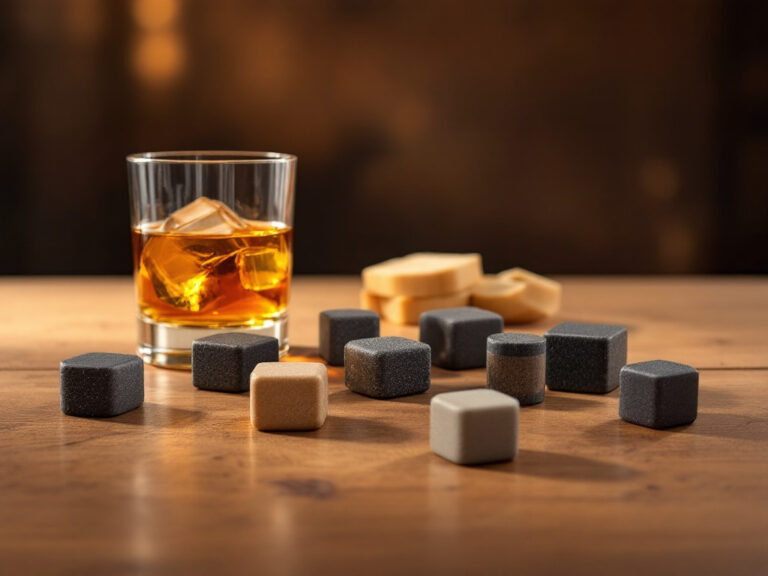
Whiskey stones are often made from materials like soapstone or stainless steel. You simply freeze them for a few hours, pop them in your glass, and let them do their magic by cooling your drink slowly. Their main selling point is minor temperature control without adding extra water, so your whiskey (or any spirit) keeps its flavor profile.
Why they’re appealing
- They’re reusable, making them more eco-friendly than single-use ice.
- They’re touted as flavor protectors, preserving a neat taste.
- They look sleek and sophisticated in your favorite glass.
Identify potential drawbacks
Like any gadget, whiskey stones come with a few trade-offs worth noting. Below are the key issues you might encounter.
Limited cooling power
While these stones can help lower the temperature slightly, they’re not as effective as ice at truly chilling your drink. If you enjoy a frosty pour, whiskey stones may leave you wanting a colder sip. Also, they might warm up faster than you expect, meaning you’ll have to keep swapping them or drink quickly.
Possible scratches
If your stones are heavy or have sharp edges, they can nick the surface of delicate glassware. It’s best to handle them gently, set them in a sturdy glass, and avoid vigorous swirling. Some folks even prefer silicone sleeves to reduce direct contact with the glass.
Cleaning challenges
You might assume a quick rinse is enough, but leftover residue from flavored drinks or any lingering odors can cling to the stones. Over time, this can affect the taste of your whiskey. Thoroughly washing and drying them is key, but it’s an extra step that’s easy to forget after a long night.
Manage these issues
Thankfully, a few simple measures can help you minimize these downsides. Here’s how to make the most of your whiskey stones:
- Pick quality materials. Soapstone tends to be gentle on glass, while stainless steel can be more durable if you want a bigger temperature drop.
- Freeze enough stones. Keeping a few extras on hand means you can swap in a fresh set if the first ones aren’t cold enough.
- Wash regularly. After each use, rinse your stones with warm water and mild soap, then let them dry completely.
Wrap up your decision
Whiskey stones can be a nice perk if you’re eager to keep your drink slightly cool without adding water. However, if you genuinely love a frosty pour, you might find that they can’t compete with the real chill provided by ice. By choosing good-quality stones, cleaning them thoroughly, and handling your glassware carefully, you’ll avoid most of the potential drawbacks. Ultimately, it’s all about balancing your love of flavor with your ideal temperature, so your next sip of whiskey is exactly how you like it.