When you wonder “what is the best liquor to put in a decanter?” you might imagine a timeless scene with an elegant crystal vessel on your home bar. Decanters have a rich history that spans centuries, lending a touch of glamour and tradition to any setting. But are all liquors suited to decanting, and does using one actually impact taste or aroma? Read on to discover which spirits benefit most, how to avoid common pitfalls, and why whiskey remains a crowd favorite.
Why decanters matter
Part of the appeal of a decanter is purely aesthetic. It gives your space a refined feel and showcases your spirits in style. Historically, decanters also served practical purposes, such as storing and pouring liquor in smaller quantities when spirits were sold by the barrel. Today, technology and modern materials have introduced new reasons to consider one for your home bar:
- An airtight stopper helps keep spirits from evaporating.
- Lead-free glass ensures no unwanted elements leach into your drink.
- Unique shapes and historical designs are conversation starters.
Best liquor to put in a decanter
Whiskey
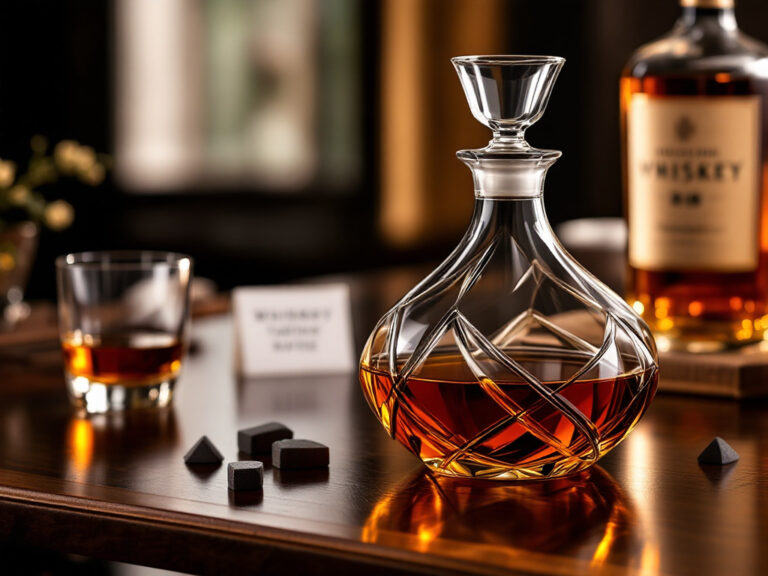
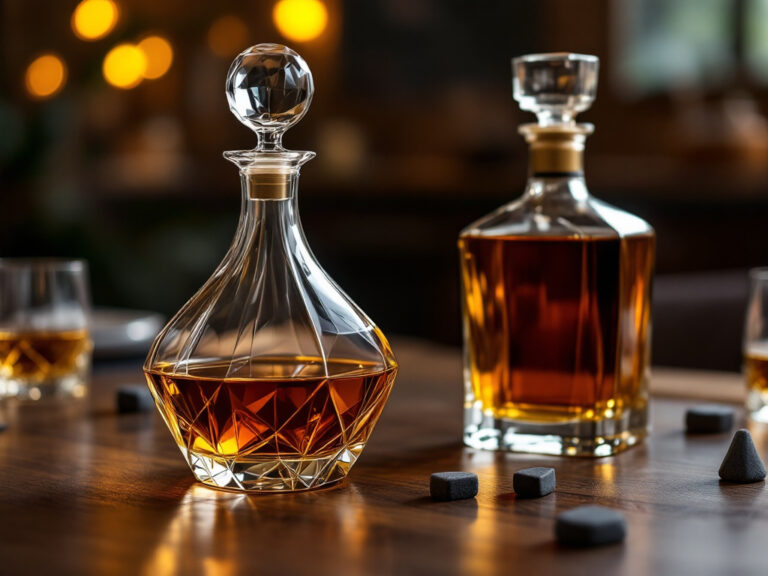
Whiskey—even more specifically, whisky if you’re sipping Scotch—often comes to mind first when you think of decanters. The reasoning is simple: storing whiskey in a well-sealed decanter doesn’t compromise the flavor or aroma. While wine needs to be consumed within a couple of days of decanting, whiskey is more forgiving. You can leave it in a lead-free decanter for several months or even years without losing much character. A few key points:
- Whiskey doesn’t significantly “breathe” like wine, which means you won’t lose nuanced flavors over a short span.
- A decanter can help remove any sediment or particles that may accumulate in the bottle, leading to a more visually pleasing pour.
- Always opt for a lead-free decanter if you plan on long-term storage to avoid contaminants.
Other spirits
While whiskey steals the spotlight, many spirits can also be decanted without issues:
- Brandy and cognac: These are traditionally showcased in ornate decanters to celebrate their warm hues.
- Vodka, gin, and rum: Storing clear spirits in a decanter can be a way to “dress up” your bar cart, though there aren’t significant taste benefits for these liquors.
- Tequila: You can decant it for a sleek presentation, but keep in mind that tequila’s flavor profile doesn’t evolve significantly in a decanter.
In all cases, an airtight stopper is crucial to preserving the liquor’s taste and alcoholic strength.
Should you decant wine?
Wine decanters have a different purpose than spirit decanters. Decanting wines—particularly young reds—introduces oxygen to help soften tannins and enhance aromas. It also helps remove sediment in older bottles to ensure a clear pour. Because wine is more delicate, you typically won’t leave it in a decanter for more than two or three days. Overexposure to air can cause it to lose flavor and complexity quickly. If you’re exploring red wines like the J. Lohr Signature Cabernet Sauvignon, a wide-bottomed decanter that maximizes air contact is ideal to help the wine “breathe” before serving.
Tips for choosing the right decanter
Picking the best decanter for your needs is more than just about aesthetics. Here are a few considerations:
Material
- Lead-free crystal or glass is best for long-term storage.
- Lead crystal decanters can be used for short-term serving, but not for storage.
Seal quality
- An airtight stopper is important for spirits.
- For wines, a spacious, open-mouthed design helps with aeration but should not be used for beyond a few days.
Size and shape
- A wider base benefits red wine, helping it interact with more oxygen.
- Slimmer, upright shapes are typically used for whiskey or other spirits, ensuring an elegant display and easy pouring.
Aesthetic flair
- Ornate designs, historical replicas, or modern minimalism—pick a style that complements your home bar.
- For collectors, antique decanters from Baccarat or Lalique can double as art pieces.
Key takeaways
- Whiskey reigns supreme in a decanter due to its stable profile—your whiskey retains flavor and aroma even after months of storage.
- Other spirits like brandy, cognac, rum, and tequila can also be decanted, but the benefits are mostly visual.
- Wine decanting is different—red wines benefit from aeration over a short period, whereas leaving wine in the decanter for too long can dilute its character.
- Always choose lead-free crystal or glass if you plan on long-term storage to ensure your liquor’s safety.
- An airtight stopper is your spirit’s best friend, preventing evaporation and preserving taste.
If you’re looking to elevate your home bar with minimal effort, a decanter can be a stylish and functional addition. Whether you love the amber glow of whiskey or appreciate the clarity of premium vodka, you’ll find it’s not just about “what is the best liquor to put in a decanter?” It’s about showcasing your personal style while keeping your spirits pristine. So pick a design you love, fill it with a favorite spirit, and enjoy the timeless ritual of a beautifully poured drink.