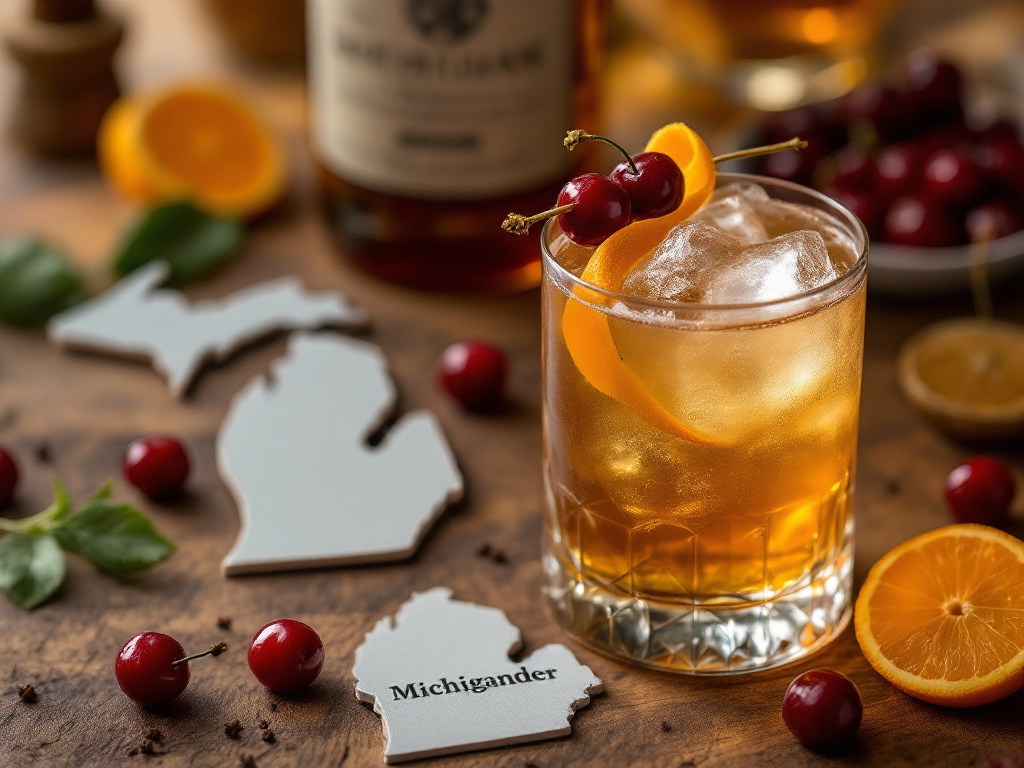
If you’re looking to shake up your usual whiskey cocktail routine, consider trying the Michigander cocktail recipe for a refreshing change. While it traditionally features apple brandy or applejack, this drink can still fit seamlessly into your whiskey repertoire if you love experimenting with rich, layered flavors. Created by bartender Jason Schiffer in 2011 at the renowned 320 Main in Seal Beach, California, the Michigander captures the taste of a Midwestern fall in a glass. With apple-forward notes, a bitter edge from Cynar, and just enough honey sweetness, this unique cocktail creates a balanced sip that starts off smooth and finishes with a gentle, earthy bite.
Ingredients
- 1 ounce apple brandy or applejack (Laird’s Applejack or any 100% apple brandy recommended)
- 1 ounce Cynar (an Italian liqueur made from artichokes and herbs)
- 3/4 ounce fresh lemon juice
- 3/4 ounce honey syrup (2 parts honey to 1 part warm water)
- Grapefruit peel twist for garnish
Directions
- Prepare the honey syrup by mixing two parts honey with one part warm water. Stir until fully combined.
- Fill a cocktail shaker with ice.
- Add the apple brandy or applejack, Cynar, fresh lemon juice, and honey syrup to the shaker.
- Shake thoroughly for about 15 seconds to chill and blend the flavors.
- Strain into a chilled cocktail glass.
- Finish by twisting a strip of grapefruit peel over the glass and placing it on top or inside the cocktail.
Tips & Variations
- Adjust sweetness: If you want to keep things on the drier side, try reducing the honey syrup to 1/2 ounce. You’ll still get a touch of sweetness without overpowering the apple and Cynar flavors.
- Use fresh citrus: Grapefruit peel is key to bringing extra depth and bitterness. Don’t skip this garnish, as its citrus oils help tie the sweet and bitter elements together.
- Whiskey twist: Looking to keep it in the whiskey realm? Experiment by substituting half the apple brandy for a bold bourbon or rye. The spicy notes can complement the honey while still capturing the autumn-like essence.
- Explore other bitters: Cynar is known for its robustly bitter finish, but if you can’t find it, you could try a similarly bitter amaro. Expect subtle flavor differences, but the overall character will remain.
Nutrition Facts
Approximate per serving:
- Calories: 180–200
- Sugar: Around 15g
- Alcohol content: Moderate (varies based on specific apple brandy or whiskey choice)
Final Thoughts
The Michigander cocktail recipe proves that a well-crafted drink can transport you to a particular season or memory with just one sip. Apple brandy, honey, and citrus create a crisp, lightly sweet profile, while the Cynar adds a subtle earthy bitterness for balance. Even if you’re partial to whiskey cocktails, this recipe offers a unique way to expand your horizons. Whether you stick to the classic ingredients or add your own twist, you’ll end up with a delicious nod to autumn that’s perfect for sipping year-round.
Frequently Asked Questions (FAQs)
-
Can I use regular brandy if I don’t have apple brandy?
Yes. You can still create a tasty cocktail with standard brandy, though you’ll lose some of the signature apple flavors that make the Michigander so distinctive. -
What does Cynar taste like?
Cynar is an Italian liqueur best known for its artichoke ingredient, though it also includes various herbs and plants. It offers a bittersweet, slightly earthy taste that helps balance the honey sweetness in this cocktail. -
Can I batch this drink for a party?
Absolutely. For a party, multiply each ingredient by how many servings you need, combine them in a pitcher, and store in the fridge. Then add ice and stir or shake just before serving to maintain optimal freshness. -
How should I store leftover honey syrup?
Keep your honey syrup in a sealed container in the refrigerator for up to a week. If it crystallizes, warming it slightly will help it return to a pourable consistency. -
Do I really need the grapefruit peel garnish?
Yes. The grapefruit peel adds a final hit of brightness and gentle bitterness that rounds out the cocktail’s flavor profile. It’s worth the extra step to enhance the overall experience.