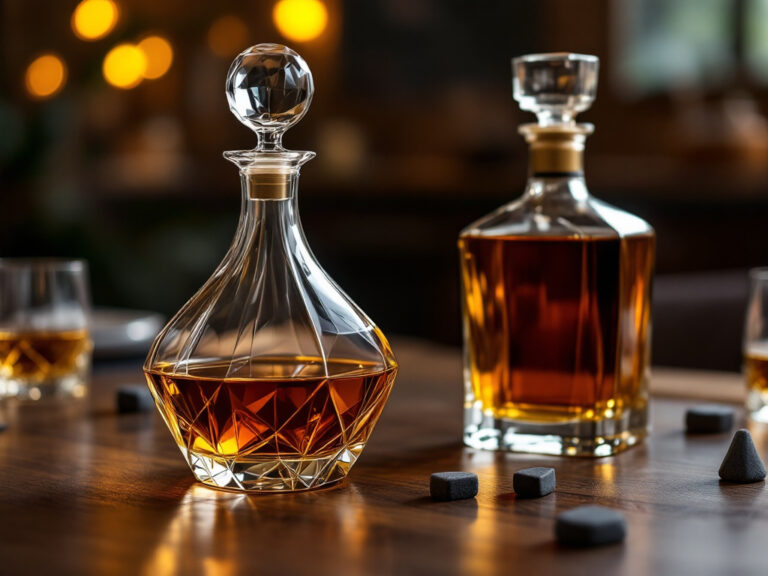
Wondering how much whiskey is in a glass on the rocks? Learning the basics can help you pick the perfect rocks glasses and confidently pour just the right amount. Below, you’ll find easy tips to guide your next pour and elevate your sipping experience.
Understand standard pours
Most whiskey drinkers prefer 2 ounces (about 59 milliliters) in a glass on the rocks. That amount is sometimes called a “standard pour” and works beautifully whether you’re unwinding after a long day or hosting friends.
- A regular shot is typically 1.5 ounces (44 milliliters).
- A double pour, or whiskey double, is 3 ounces (88 milliliters).
Pouring 2 ounces over ice ensures the flavors aren’t drowned out. You’ll taste the whiskey’s nuances while staying in control of how much you consume.
Consider your glass shape
Rocks glasses are often short and wide, which is why it’s easy to accidentally add more whiskey than you intend. Studies show people generally pour 20-30% more into short, wide glasses than tall, slender ones because of simple visual perception. Bartenders with years of experience still tend to overpour in wider glasses, though they reduce mistakes by paying close attention.
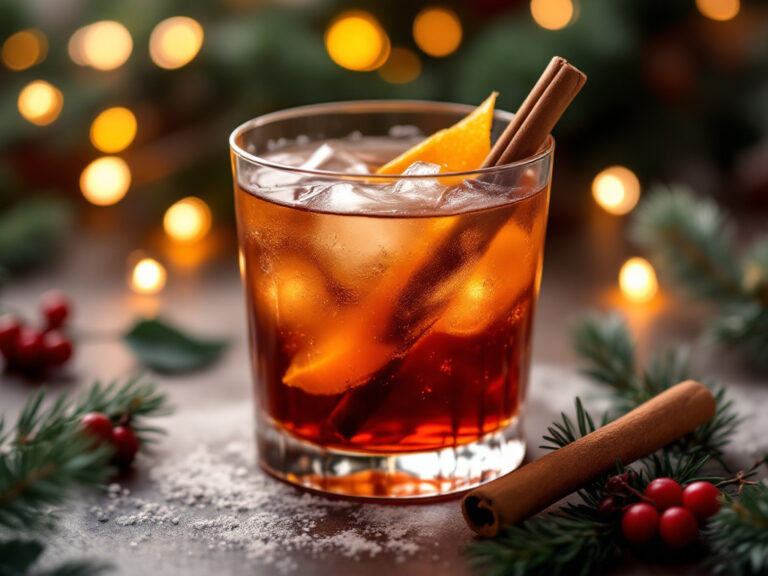
- A rocks or tumbler glass is typically the go-to for whiskey on the rocks.
- If you prefer avoiding overpouring, you might try a slightly taller, narrower version or use a measuring tool.
Choose the right ice
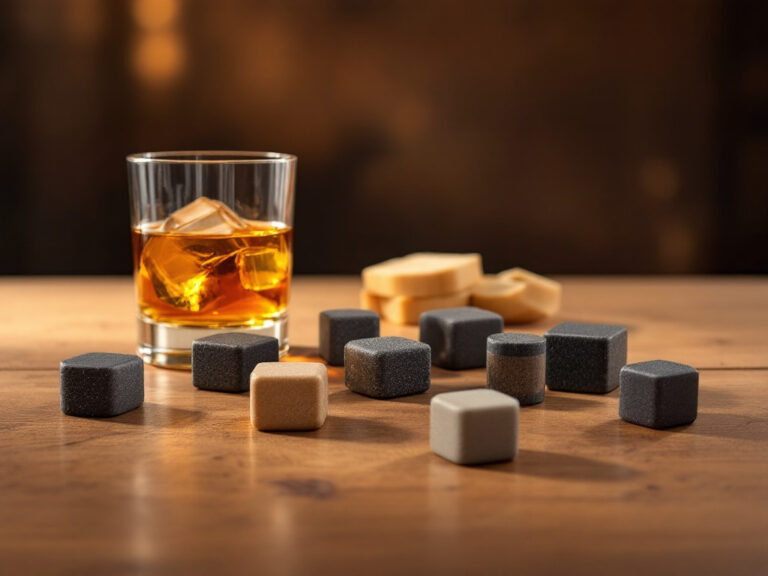
Ice doesn’t just keep your drink cold, it influences how quickly your whiskey’s flavor changes. Large, clear cubes melt more slowly, preventing your drink from getting diluted too fast.
- Two or three big cubes typically work best for a standard 2-ounce pour.
- Clear ice is popular because it melts slower and keeps water content lower.
Check your pouring technique
If you’d rather not measure your whiskey every time, you can practice a steady free-pour. Counting to four normally yields about 2 ounces, but it’s smart to test your timing with a shot glass to make sure you’re hitting the mark.
- A tall shot glass can help you confirm that a 4-second pour equals 2 ounces.
- Consistency is key. The more you pay attention, the less likely you’ll accidentally overpour.
Key takeaways
- Go for a 2-ounce pour for a balanced whiskey-on-the-rocks experience.
- Use rocks glasses but be aware that short, wide glasses can cause you to pour more.
- Large, clear ice cubes melt slowly, preserving flavor.
- Measure your pour or practice a consistent free-pour count.
With these tips in mind, you can enjoy a glass on the rocks that brings out the best in your whiskey without overpowering it. By focusing on the right glass, the right ice, and a precise pour, you’ll soon feel like you’re savoring your own personal whiskey tasting at home. Cheers to finding your perfect sip!